


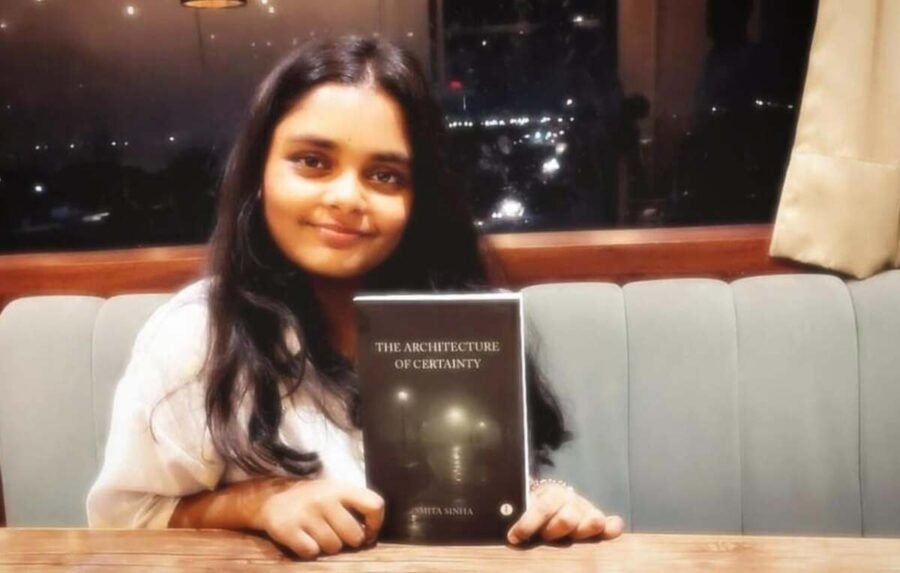
The Architecture of Certainty is a thought-provoking psychological literary novel that explores how conviction, perception, and certainty shape human behaviour. Through compelling characters, author Smita Sinha examines themes of moral responsibility, institutional trust, and self-justification.
Drawing inspiration from psychological and philosophical thought, the novel delves into timeless questions of identity, accountability, and human judgment. As its characters navigate difficult choices, readers are invited to reflect on the consequences of unwavering beliefs and the stories people tell themselves.
Blending psychological depth with literary storytelling, The Architecture of Certainty encourages readers to embrace empathy, self-reflection, and intellectual humility. It is a compelling reminder that true wisdom often begins not with certainty, but with the courage to question it.
1. Can you provide an overview of your book and how it addresses key challenges in the world today?
The Architecture of Certainty is a psychological literary novel that explores how conviction shapes human behaviour and how certainty can gradually distort judgment. Through the experiences of its characters, the novel examines themes of perception, institutional trust, moral responsibility, and self-justification.
In a world increasingly divided by rigid beliefs and competing narratives, the book raises important questions about how people form convictions, defend them, and sometimes allow those convictions to override empathy and self-reflection. Rather than offering simple answers, it encourages readers to examine the consequences of certainty and the value of doubt.
2. What inspired you to write this book, and what specific expertise or experiences do you bring to the subject matter?
The Architecture of Certainty was inspired by my interest in psychological and philosophical literature, particularly the works of Fyodor Dostoevsky, Albert Camus, and Franz Kafka. What fascinated me most was their ability to explore how beliefs, moral convictions, and inner conflicts shape human behaviour.
Their writing encouraged me to examine the relationship between certainty, identity, and self-justification. While the novel is fictional, it draws on my interest in psychology, philosophy, and the ways individuals and institutions respond to doubt, responsibility, and truth.
3. Could you share some of the most valuable insights or takeaways that readers can expect from your book?
One of the central ideas of the novel is that certainty is often constructed rather than discovered. Readers may come away reflecting on how beliefs are formed, how pride can prevent self-correction, and how good intentions do not always lead to good outcomes.
The book also highlights the importance of self-awareness, intellectual humility, and the willingness to question one’s own assumptions. Ultimately, it invites readers to think critically about the stories they tell themselves and the convictions they choose to defend.
4. Can you highlight any case studies or real-world examples from your book that illustrate the principles you discuss?
Although the novel is entirely fictional, it presents realistic situations involving institutional structures, public perception, and personal accountability. Through the parallel journeys of its central characters, readers witness how small decisions can create far-reaching consequences and how systems often respond to perception as much as reality.
Rather than relying on dramatic events, the novel focuses on everyday choices and the gradual accumulation of consequences, making its themes relatable to real-world experiences.
5. Were there any particular challenges or obstacles you encountered while writing this book, and how did you overcome them?
One of the biggest challenges was maintaining psychological realism. I wanted the characters to feel authentic and internally consistent, even when readers might disagree with their actions. Achieving that balance required careful attention to motivation, perspective, and emotional nuance.
Another challenge was addressing complex philosophical questions without sacrificing the narrative. I overcame this by allowing the ideas to emerge through character experiences and relationships rather than through direct explanation.
6. What do you hope readers will gain from reading your book, and how do you envision it making a positive impact on their lives?
I hope readers finish the book with a greater appreciation for reflection, empathy, and intellectual humility. If the novel encourages even a few readers to pause before assuming certainty, question their own assumptions, or better understand perspectives different from their own, I would consider that meaningful.
My goal is not to provide answers but to create a space for thoughtful questioning and self-examination in a world where people are often too certain about their decisions and actions.
7. In a rapidly changing environment, how does your book stay relevant and adaptable for readers over time?
While the settings and circumstances of the novel are contemporary, its core concerns are timeless. Questions about power, belief, perception, responsibility, and human judgment have existed across generations and remain relevant regardless of technological or social change.
Because the book focuses on fundamental aspects of human behaviour rather than temporary trends, I believe its themes will continue to resonate with readers long into the future.
Order your copy of The Architecture of Certainty by Author Smita Sinha on Amazon today and experience a compelling psychological literary novel that invites you to question certainty, embrace empathy, and reflect on the convictions that shape our lives.
