


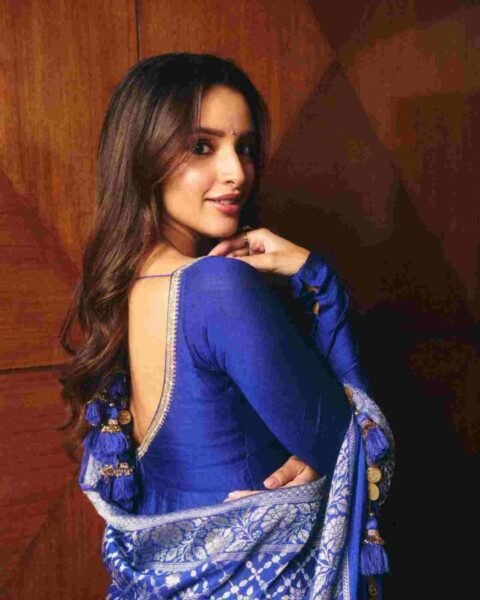
For decades, Hindi cinema has sold women two fantasies. The first is perfection. The impossibly beautiful woman who enters a room and immediately becomes its centre of gravity, much like Aishwarya Rai and Sushmita Sen. The second is exceptionalism. The woman who is stronger, braver, louder and more extraordinary than everyone around her.
Triptii Dimri’s screen presence operates differently. What makes her one of the nation’s favourite leading ladies is not that she plays extraordinary women. It is that she plays ordinary women who discover extraordinary reserves within themselves.
That may explain why so many women see themselves in her work. Look at the characters that have defined her career, and have made her the star everyone is rooting for. Laila in Laila Majnu is impulsive, emotional and human. Bulbbul begins her journey as a young girl trapped within a world she does not fully understand. Qala spends much of her film battling insecurity, loneliness and the crushing burden of expectation. More recently, Jaya in Maa Behen carries the weight of compromise, obligation and emotional labour before finally finding her voice.
On paper, these women have very little in common. Yet they are connected by a thread that runs through nearly every memorable Triptii Dimri performance – they are underestimated. Not only by the people around them but often by themselves.
Cinema has traditionally been more interested in women who know exactly who they are. Triptii’s characters are usually still figuring it out. They doubt themselves. They make mistakes. They seek approval. They hesitate. They absorb more than they say. In other words, they resemble real people. Triptii has built a career around understanding women in all their shades and glory. The defining moment in many of her films is not an act of triumph but a woman realising that she deserves more than she has been told to accept. For many female viewers, that journey feels familiar – and this is exactlhy what makes her a rare star loved across audiences. There is also something refreshing about the way Triptii performs vulnerability. In contemporary popular culture, empowerment is often presented as certainty. Strong women are expected to have all the answers. They are expected to be fearless, unapologetic and perpetually confident.
Triptii’s characters rarely begin there. Their power emerges through confusion, heartbreak, frustration and self-doubt. They are allowed to be fragile before they become formidable. Women do not necessarily see themselves in Triptii because they share her life. They see themselves in the emotional truths she brings to her characters. The desire to be heard. The fear of disappointing others. The struggle to choose oneself. The quiet anger that accumulates over years of being overlooked. In an industry that often mistakes loudness for strength, Triptii has become a reminder that some of the most powerful performances are built from smaller, more recognisable emotions. Perhaps that is why her rise has felt so organic. Audiences admire many stars. They aspire to be some. But only a handful make people feel understood. Triptii Dimri belongs to that. She does not merely play women who win. She plays women who endure, evolve and eventually surprise everyone including themselves. And in that journey, many women recognise a version of their own.
